Step 1 foundation
HTML Essentials
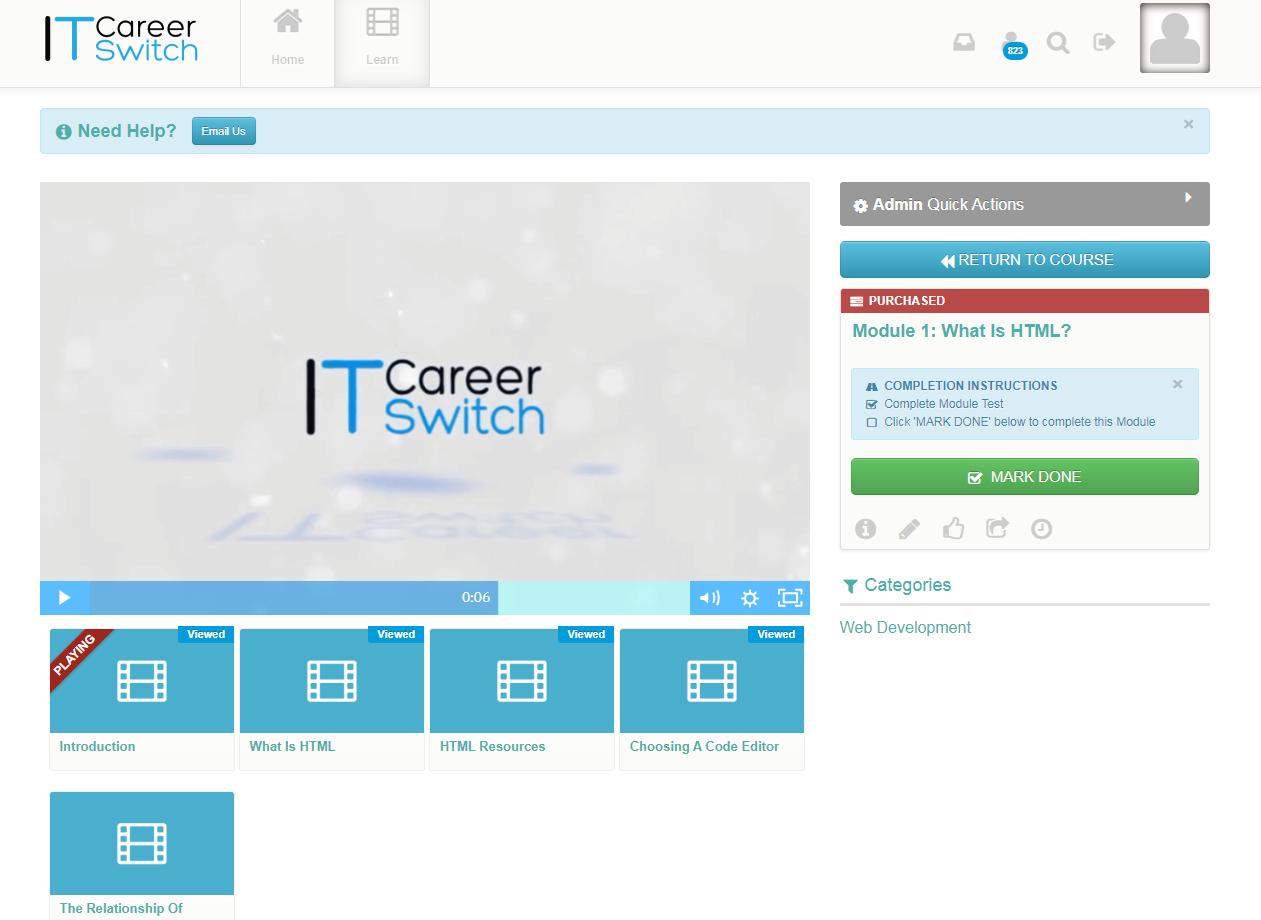
Hypertext Markup Language is the standard markup language for documents designed to be displayed in a web browser. It can be assisted by technologies such as Cascading Style Sheets and scripting languages such as JavaScript.
HTML is one of the main languages that power the internet. Once you master it, you can begin creating your own web content, from simple websites to the foundations of more complex online applications.
This online course provides an in-depth look at the essentials of writing and editing HTML code, giving you the page structure, content and formatting knowledge needed before moving into styling and interactivity.
- What HTML is and how pages are structured
- Formatting pages and structuring content
- Adding links, images and media
- Styling web pages and creating your own website
Step 1 styling

CSS Essentials
Cascading Style Sheets is used to describe the presentation of a document written in a markup language like HTML. It gives developers and designers the ability to create attractive, usable web pages.
Whether you are responsible for thousands of pages or building websites for local businesses, CSS is an important skill to master because it controls layout, spacing, colour, typography and presentation.
This course introduces CSS3, the CSS box model, page layouts, colours and backgrounds, web typography, links, lists, tables and dynamic CSS3 properties.
- Introduction to CSS3 and the CSS box model
- Working with page layouts, colours and backgrounds
- Web typography, links, lists and tables
- Dynamic CSS3 properties
Step 1 interactivity
JavaScript Essentials
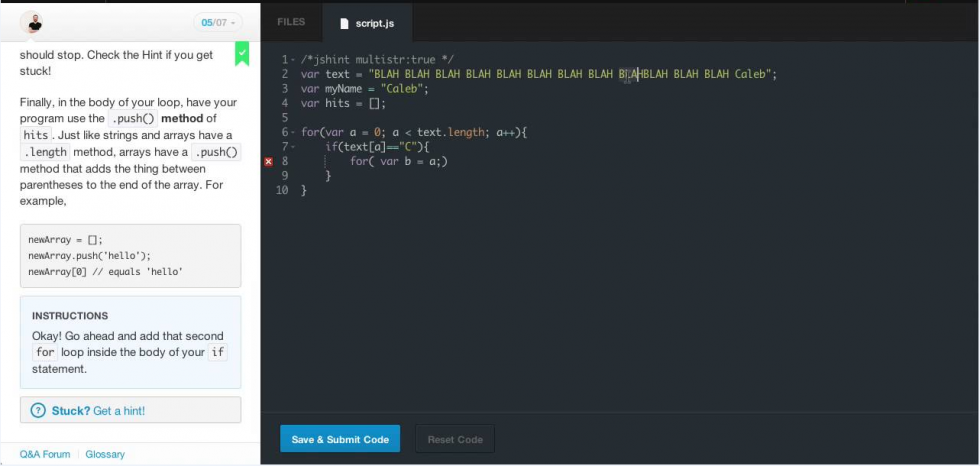
JavaScript, often abbreviated as JS, is a high-level, just-in-time compiled, object-oriented programming language that conforms to the ECMAScript specification.
The JavaScript Essentials online training course teaches the fundamentals of JavaScript programming, a critical skill for anyone moving into web development and interactive website creation.
You begin with syntax and core concepts, then move into the DOM and libraries so you can understand how dynamic behaviour is added to modern websites.
- Introduction to JavaScript
- Core concepts and syntax
- Getting a handle on the DOM
- Working with libraries
Step 1 programming
Introduction to Python
Python is a general-purpose, versatile and popular programming language. It is a strong first language because it is concise and easy to read, while still being useful across web development, software development and data science applications.
This course introduces fundamental programming concepts and Python 3, the most up-to-date version of the language, with improvements designed to make code more efficient and simple to write.
Python is used by companies such as Instagram, Spotify, Netflix and Uber, making it a valuable language to have in any programmer’s stack. It also gives learners comparing python ai development courses a practical programming foundation before moving into more advanced software and automation work.
- Syntax, functions and control flow
- Lists, strings, modules and dictionaries
- Files, classes and function arguments
- Practical programming foundations
Step 2 full-stack route
Full Stack Engineer
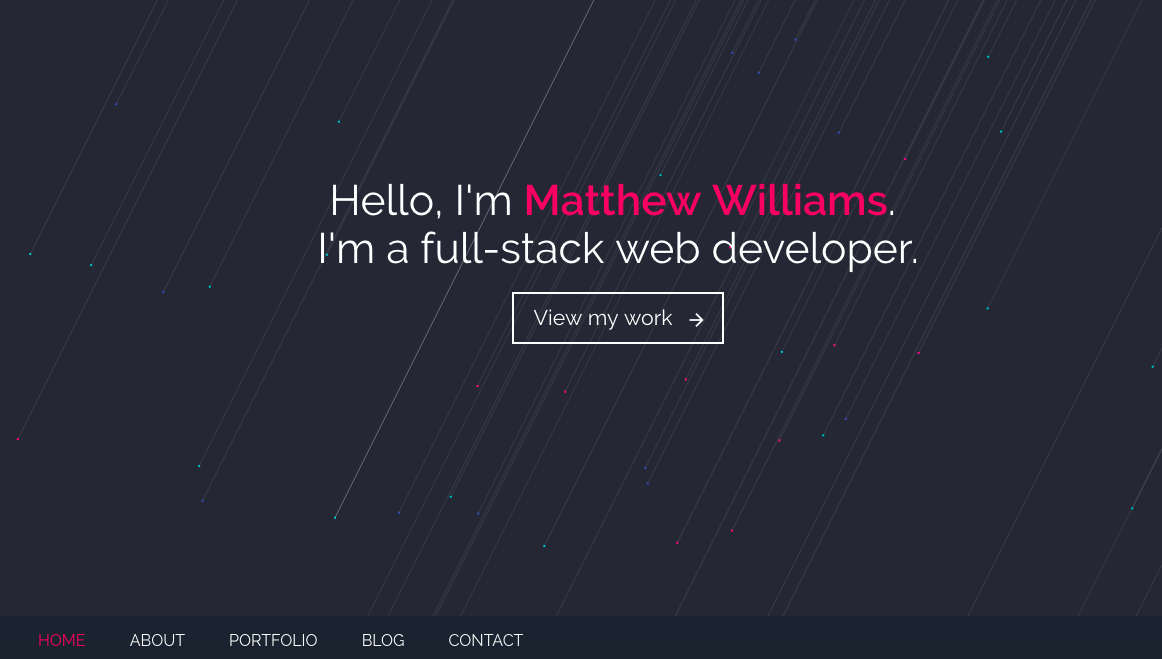
Ready to start building polished websites and web applications? This path begins with the basics but progresses quickly through CSS, JavaScript, SQL, React and more, helping you move from no-code to full-stack development.
You practise your skills every step of the way while completing projects and assignments, so by the end of the course you can show off your new skills to employers.
This stage connects your foundation knowledge into more complete development workflows, including front-end applications, back-end logic, databases, APIs, Git and testing. For career changers, it provides a software engineer traineeship-style route with portfolio projects and employer-focused skills.
- JavaScript arrays, loops, objects and interactive websites
- Intermediate JavaScript, command line and Git
- Front-end applications with React
- JavaScript back-end development, SQL and databases
- Building a persistent API
- Test-driven development with JavaScript
Step 2 applied Python
Python - Learn Python 3
This Step 2 module builds on the introductory course and develops the Python 3 skills used to write more structured, reusable programs.
You move from core syntax into practical problem solving, working with files, modules, errors and object-oriented programming so you can turn ideas into maintainable applications.
- Functions, modules and reusable program structure
- Working with files, data and common libraries
- Errors, debugging and defensive programming
- Classes and object-oriented Python 3
Step 2 server-side development

PHP
PHP is a widely used server-side programming language that has become increasingly fast and powerful over the years. It works well with HTML and databases, making it valuable for building dynamic web applications.
PHP was created over 25 years ago and remains one of the most popular languages used by web developers. This course helps you understand how server-side logic works and how PHP can process forms, conditions, loops, arrays and objects.
- Getting started with PHP and variables
- Functions, built-in functions and arrays
- HTML form handling and validation
- Conditionals, logic, loops, classes and objects
Step 2 responsive framework
Bootstrap
If you want to quickly create a website without writing tons of CSS from scratch, Bootstrap 4 may be the framework you are looking for. This course shows how Bootstrap makes it easy to lay out and create interactive, responsive sites.
You learn Bootstrap’s grid system to construct complex layouts, then style and populate your site using Bootstrap utility classes and components. With Bootstrap, HTML, CSS familiarity and JavaScript, you can create websites more efficiently.
- Learn Bootstrap 4 and Bootstrap Grid
- Recreate a painting using Bootstrap’s grid
- Utilities, components and responsive layouts
- Bootstrap mini project
Step 2 JavaScript library

jQuery
With HTML and CSS, you can build visually appealing static web pages. With a bit of JavaScript, you can add dynamic behaviour. jQuery is a JavaScript library that provides lots of dynamic behaviour out of the box.
This allows you to add creative effects to otherwise static layouts. You learn how to add jQuery to web pages, traverse the DOM and use effects, event handlers and style methods.
- Learn jQuery introduction and setup
- Effects and dynamic page behaviour
- Event handlers and style methods
- Traversing the DOM
Step 2 object-oriented development
Java
Java is a widely used object-oriented programming language for building reliable applications across enterprise systems, web services and Android development.
This course develops the core programming habits needed to write, structure and test Java applications with confidence.
- Java syntax, variables and control flow
- Classes, objects and inheritance
- Collections, exceptions and debugging
- Building and testing practical applications
Step 2 Microsoft development
C#
C# is a modern, versatile language used to build web applications, desktop software, APIs and services on the Microsoft .NET platform.
You build a practical grounding in C# programming, object-oriented design and the tools used in professional .NET development.
- C# syntax, types and program flow
- Methods, classes and object-oriented design
- Collections, error handling and debugging
- Creating maintainable .NET applications